So, I figured what the fuck and peeled back the lid. There was a plastic sheet lining the box, and getting that out of the way, I was stunned. The angels sang. My books were fine. At least in that box. I found the other boxes of the same kind. All of them appeared to hold up, against all odds and known laws of entropy. To be honest, it still doesn't make sense.
But this was only one box condition. Recall that another had self-destructed so there was no telling how the opaque black tubs were going to fare, being made of different material and specifications for lid sealing. Each time I was faced with a new box to open I prayed and each time those prayers were affirmatively answered.
So the way I learned about Schrödinger's Box goes something like this:
There's a cat in a box with a mechanism that will release a toxic poison based on the decay of a radioactive atom. If the atom decays, the gas is released and the cat dies. If it doesn't, the cat lives. We don't know whether the cat is alive or dead until we open the box. And so, for us observers, the cat is both alive and dead until we find out. We live in a reality where both have equal potential to be true, until one is false.
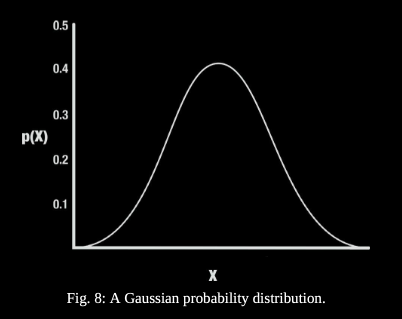
How this ties to quantum mechanics: As the cat exists in two possible states, so do quantum particles, represented by the wave function, a simple graph that shows the probability distribution of a given state:
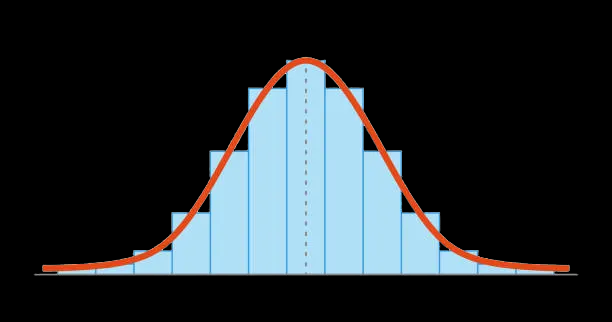
What do I mean by that? Its hella hard to say anything for certain about quantum particles (hence, the uncertainty principle). The things we might measure are position, momentum, energy, spin. Let's take position. Rather than say "The particle is here", we can say with better certainty, "The particle is most likely to be here", and this is what the graph covers:
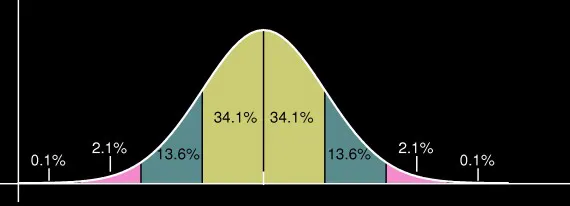
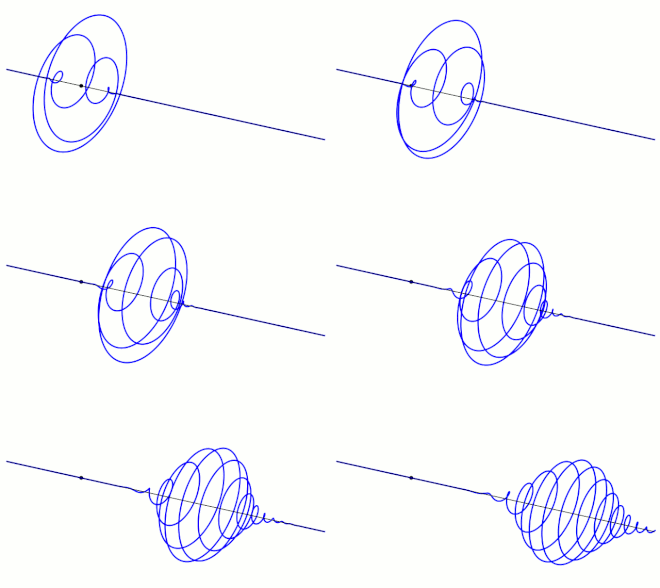
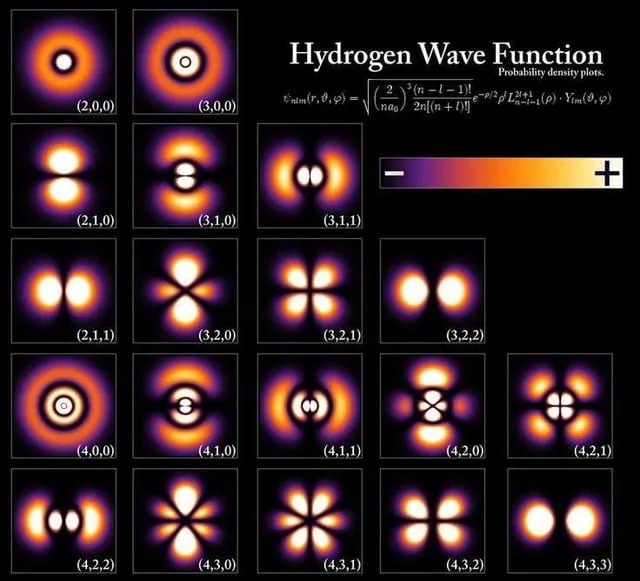
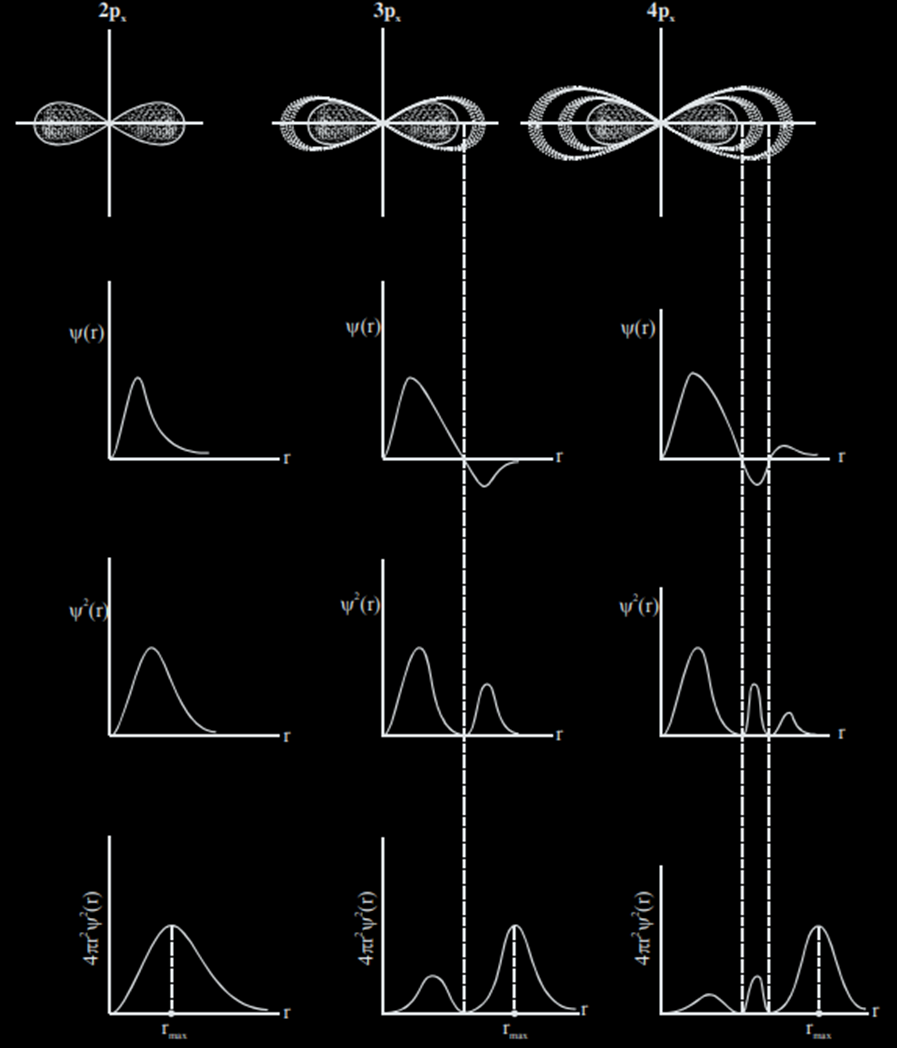
Ok one more thing because its really fucking neat and Ill never have the opportunity to bring it up again. These are orbitals. Remember them? From chem class? Ok, so, the electron's potential position is derived from probability, as we have just gone over. Likewise, where an electron is not, where the probability touches 0 on the graph, is how you can derive the bounds of the outer orbital rings, as shown in the right-hand image below. Isnt that cool? it is!
What was I doing? Oh yeah. So my books were fucking fine. can you believe it? Many I had forgotten about entirely, since I left for Taiwan right after a particularly prolific year at the comiccon, so I had a fuckton of Geoff Darrow books I frankly didn't remember existed.
The next step was to get a bookcase. Actually the next step was to make room for a bookcase. I ordered two and assembled one, using a super cute pink electric screwdriver set I got on TEMU for $11USD. I organized my shelves, adorned them with trophies from my claw machine days and that was that.
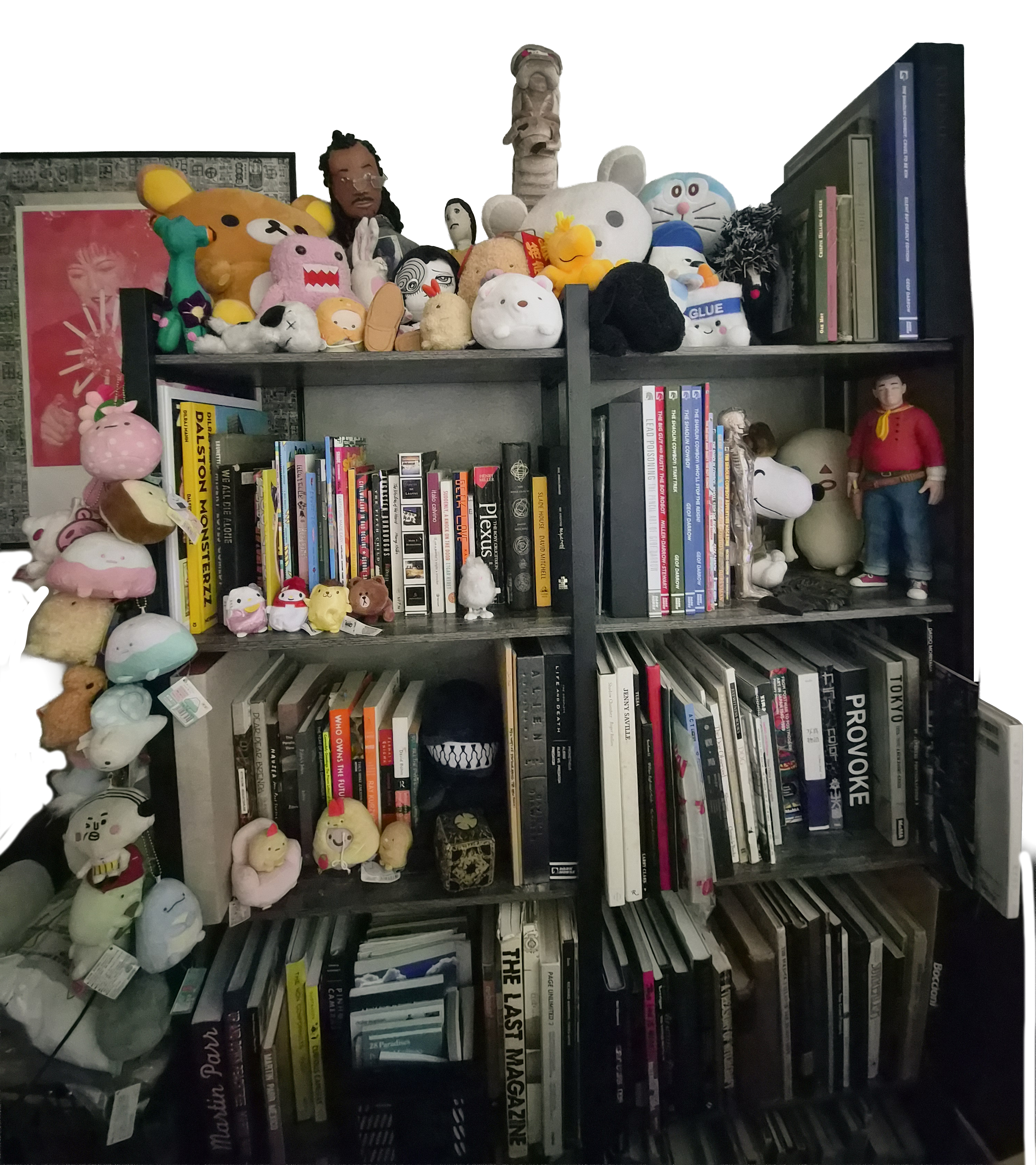
click the pic above if you want to be nosy and zoom in
Shelves:
[graphic novels and fiction] | [geoff darrow special section]
[philosophy & theory] | [art & photography - general] [photography - japanese]
[photography - monographs] [zine crate] [design] | [crime, occult & anatomy] [Art movements - Futurism]
[howtos and textbooks]